
Polyendocrine Metabolic Ovarian Syndrome (PMOS): the new PCOS
When you hear the term polycystic ovarian syndrome, you might imagine ovaries dramatically covered in giant cysts like the ones Dr. Pimple Popper removes.
But oddly enough, that is not actually the main problem.
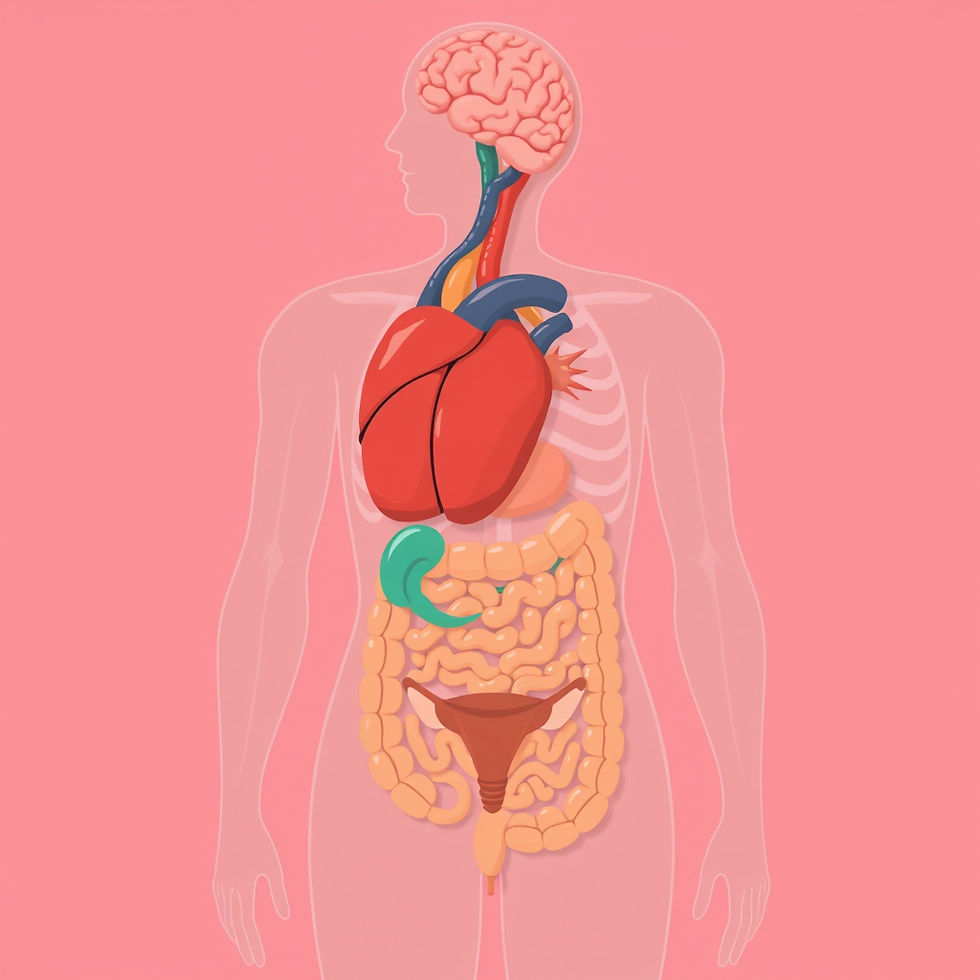
PCOS is really a hormonal and metabolic disorder that affects the entire body—not just the ovaries. In fact, many women with PCOS do not even have ovarian cysts.
Sooooooooo…...a whole bunch of experts gathered last week and decided to change the name to better reflect the disease. It is now called Polyendocrine Metabolic Ovarian Syndrome (PMOS).

How Common Is PMOS?
PMOS is one of the most common hormonal disorders in women of reproductive age, affecting approximately 1 in 8 women worldwide. (South Asian women have an even higher prevalence).
And despite how common it is, many women spend years trying to figure out why their periods disappeared, their skin declared war on them, and they suddenly started growing random superhuman chin hairs. According to the World Health Organization, seventy percent of women with PMOS go undiagnosed.
Instead of getting answers, many are simply told to:
Lose weight
Stress less
Wash their face better
“Maybe it’s just part of getting older”

A woman portrays frustration, capturing the challenges women face when discussing PMOS symptoms with healthcare professionals. Image created by AI.
Does any of this sound familiar????
There is also the fact that many PMOS symptoms (infertility, hair growth, and weight gain) are shame inducing so many women avoid seeking the help they need.
What Causes PMOS?
There is no single known cause of PMOS. It appears to result from a combination of genetics, hormones, insulin resistance, and inflammation—all teaming up like tiny endocrine supervillains (I picture the Orks).
1) Genetics. PMOS often runs in families, suggesting a strong genetic component. Meaning if your mother, sister, or aunt has PMOS, your ovaries may already be filming their own sequel.
2) Insulin resistance. Many women with PMOS have insulin resistance, meaning the body does not respond normally to insulin. The pancreas responds by producing more insulin, which then stimulates the ovaries to produce excess androgens (male hormones like testosterone). And then….
3) Androgen excess. Having too many male hormones suppresses ovulation and causes missed and irregular periods in addition to acne, excess facial hair and hair thinning. Nothing says “hormonal imbalance” quite like simultaneously losing hair from your head while growing it aggressively on your chin.
4) Low grade inflammation. Adults with PMOS tend to have chronic low-grade inflammation. This inflammation is also linked to insulin resistance and more androgens. Basically, your body decides to stay mildly irritated at all times. Kinda relatable, right?
How Is PMOS Diagnosed?
In adults, PMOS is typically diagnosed when someone meets two out of these three criteria:
Irregular or absent ovulation
Signs of excess androgens
Cysts on ovaries seen on ultrasound
For adolescents, the first two criteria must be present.
Common Symptoms of PMOS
PMOS can look very different from person to person, which is one reason it is often overlooked.
Symptoms may include:
Irregular or absent periods
Difficulty getting pregnant
Weight gain or difficulty losing weight
Acne and oily skin
Excess facial or body hair
Thinning hair on the scalp
Insulin resistance or prediabetes
High cholesterol
Sleep apnea
Fatty liver disease
Anxiety and depression
PMOS is basically the hormonal equivalent of the busybody with its hand in every pot.

Why PMOS Matters
PMOS affects far more than reproductive health. It is associated with increased risks of:
Type 2 diabetes
High blood pressure
Heart disease
Sleep disorders
Infertility
Anxiety and depression
Endometrial cancer due to irregular ovulation
And because symptoms often develop gradually, many women normalize them for years before finally realizing something bigger is going on.
How Is PMOS Treated?
There is no single cure for PMOS, but treatment focuses on symptom management and reducing long-term health risks. In other words: we cannot completely evict PMOS, but we can absolutely make it stop redecorating the place.
1) Lifestyle Changes. Nutrition, exercise, sleep, and stress reduction can significantly improve insulin resistance and hormone balance. Even modest weight loss may improve ovulation and menstrual regularity in some patients. Though telling women with PMOS to “just lose weight” without addressing the hormonal component is a little like telling someone with a broken ankle to simply “walk it off.”
2) Hormonal Birth Control. Birth control pills are commonly used to regulate cycles, lower androgen levels, improve acne and reduce excess hair growth
3) Metformin. Metformin (a common medication used in diabetes) is often prescribed to improve insulin resistance and blood sugar control. Some women also notice improvements in menstrual regularity and ovulation. I took Metformin for my PMOS, and my periods became more regular.
4) Fertility Treatment: For women trying to conceive, medications such as letrozole or clomiphene may help stimulate ovulation. But in my case, they did not do the trick, and we had to use in vitro fertilization to have our babies. Intrauterine insemination is also an option.
5) Symptom-Specific Treatment. Additional therapies may target acne, hair growth, weight management and mental health symptoms.
Because apparently PMOS believes in multitasking and so do the treatments.

Takeaway
PMOS is not simply an “ovary problem.” It is a complex hormonal and metabolic disorder that can affect nearly every system in the body. And changing the name will hopefully be one of many steps in better diagnosis and treatment.


Comments