
Hormone Replacement Therapy and Progesterone
What is it?
Progesterone is a steroid hormone made in the adrenal glands, the ovaries (and the testes in men), and—during pregnancy—the placenta. After ovulation each month, the ovary releases progesterone to prepare the uterus for a possible pregnancy. If the egg is fertilized, the placenta eventually takes over progesterone production. If not, progesterone levels fall… and your period begins.

What happens to progesterone in perimenopause?
Just like estrogen, progesterone becomes unpredictable in perimenopause. Levels swing up and down, which is why cycles can become irregular or dare I say….chaotic. As perimenopause progresses toward menopause, progesterone production gradually decreases.
What symptoms can low progesterone cause?
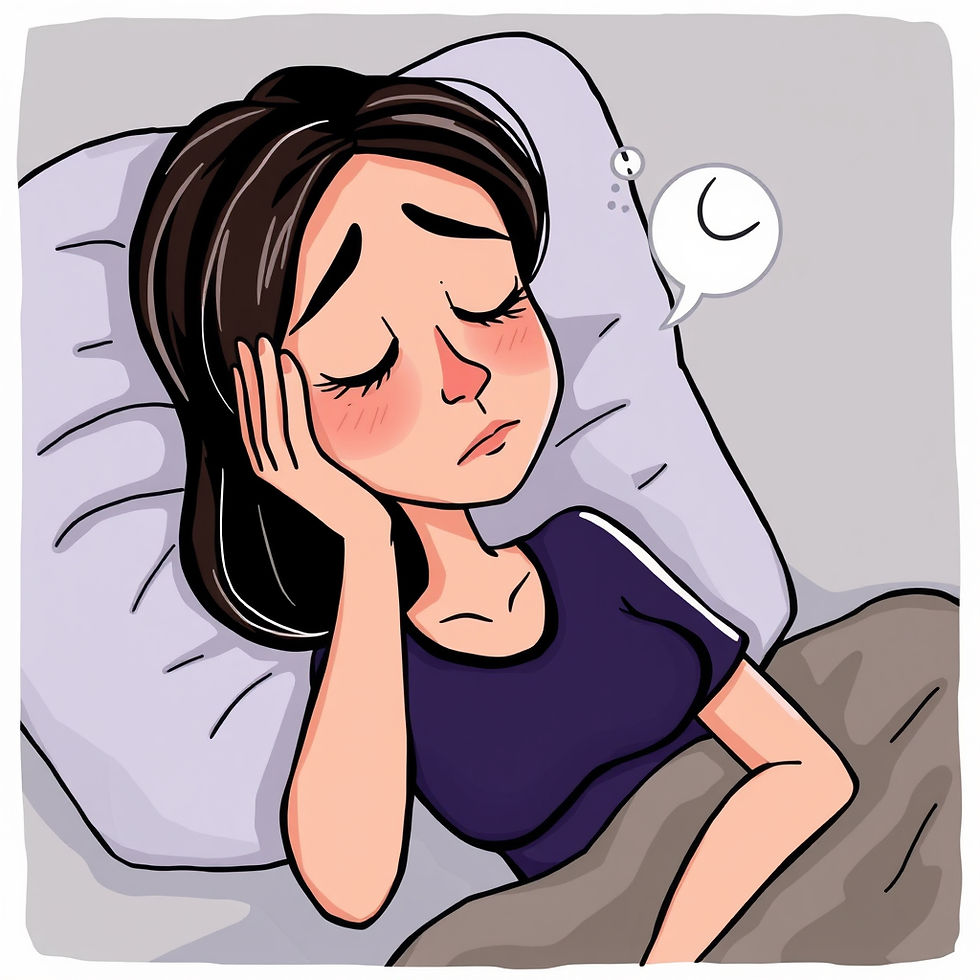
Low progesterone can contribute to irregular periods, headaches, anxiety, depression, insomnia, hot flashes, and weight gain. Yay for menopause! It can also make conception more difficult, and in pregnancy, very low progesterone levels may increase the risk of miscarriage.
What types of progesterone formulations exist?There are several options:
· Oral pills (combined with estrogen or taken alone)
· Progesterone-containing IUDs
· Injections
· Vaginal progesterone
· Topical creams or gels
What is micronized progesterone?
In 1984, scientists developed micronized progesterone—progesterone ground into tiny particles (<10 μm). Smaller particles mean more surface area, better intestinal absorption, and fewer side effects compared to the older forms of progesterone.
What is the role of progesterone in perimenopause?As progesterone levels drop in perimenopause, some women use supplemental progesterone to help with symptoms like anxiety and insomnia. It comes in several different forms, so the approach can be tailored to what feels best.
But one of progesterone’s most important jobs—especially if you’re taking estrogen as part of hormone therapy—is protecting the uterine lining.
Here’s the simple version:
Estrogen builds the lining of the uterus. Progesterone keeps that growth under control and helps trigger a period. Without enough progesterone, the lining can become too thick (called endometrial hyperplasia), which can increase the risk of cancer.
That’s why women taking estrogen need progesterone for 12–15 days each month: it stabilizes the lining, and when progesterone is stopped, a period occurs. Some women take progesterone continuously instead, which usually leads to lighter or irregular bleeding but still keeps the lining safe.
What are the options for taking progesterone?
Oral progesterone (most common): Typically, micronized progesterone 200 mg daily for 12–15 days each month. This is enough to prevent the lining from thickening.
Progesterone IUD: This delivers progesterone directly to the uterus, thinning the lining so effectively that many women stop having periods altogether.
Vaginal progesterone (an emerging option): Early studies suggest that using vaginal progesterone in the same dose as oral may also protect against endometrial hyperplasia, though research is still ongoing.

Progesterone plays a crucial balancing role in perimenopause. While it can help ease symptoms like anxiety and insomnia, its most vital job is protecting the uterine lining—especially for anyone taking estrogen. Whether taken orally, through an IUD, or potentially vaginally (more studied needed), progesterone ensures the lining doesn’t grow unchecked and reduces the risk of complications. In short, estrogen builds, but progesterone protects—and together they keep the reproductive system in safe, healthy balance.


Comments