
What Is Osteoporosis (and How Is It Different from Osteopenia)?
Osteoporosis is a condition where bone density decreases and the internal structure of bone weakens, making fractures much more likely. Think: your bones become more “honeycomb” than “marble.”
Osteopenia is the warning shot. It’s the early stage of bone loss—the “hey, maybe pay attention now” phase before osteoporosis sets in.
A few reality checks:
Osteoporosis affects about 200 million people worldwide, making it the most common bone disorder.
In the U.S., 80% of cases occur in women.
If you’re over 50, your lifetime risk of an osteoporosis-related fracture is about 1 in 2.
Yikes. One in two. Not exactly comforting.

How Are Osteopenia and Osteoporosis Diagnosed?
Both conditions are diagnosed with a DEXA scan (bone density test).
Here’s the breakdown:
Osteopenia: T-score between -1.0 and -2.5
Osteoporosis: T-score below -2.5
Your T-score compares the bone density of a postmenopausal woman to that of a healthy 20-year-old (remember those years).
You may have heard about Z-scores. These are used in premenopausal women, comparing similar age, sex, and size.
Plot twist: If you’ve had a low-trauma fracture (like breaking a bone from a simple fall), you may already meet criteria for osteoporosis—even without a DEXA scan.
How Do You Prevent Osteopenia and Osteoporosis?
If You’re Under 20:
First of all, did my children force you to subscribe to their mother’s blog? Well- thank you! And since you’re here, this is for you!
👉 Peak bone mass is reached by age 20.
This is your moment. Your bones are basically still in “investment mode.”
Get enough calcium
Stay active
Lift things (safely)
Enjoy your youth
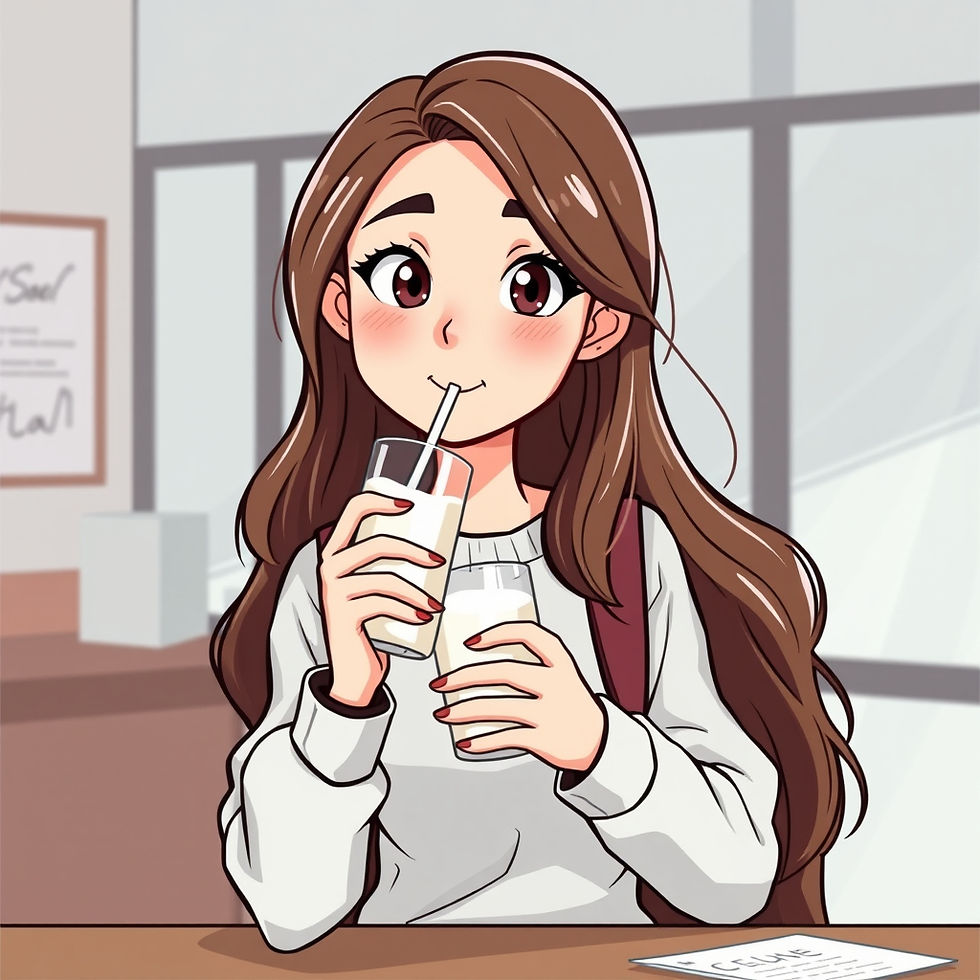
My daughter informed me this past weekend that drinking a cup of milk in the dorm cafeteria is “social suicide.” Nope. Your future hip would like a word.
If You’re Over 20 (Welcome, Friends):
We’re no longer building bone—we’re preserving what we have left. Like a savings account we maybe should’ve started earlier.
Here’s what helps:
Maintain a healthy weight
Being underweight increases risk.
Strength and balance training
Weight-bearing and resistance exercises are key. Think yoga, tai chi, walking, resistance bands and dumbbells. (See some of my previous thoughts on this here https://www.rx4trauma.com/post/the-strength-in-me)
Calcium + Vitamin D
Calcium: 1200 mg/day (split into two doses)
Vitamin D: 800 IU/day
Don’t smoke
Your bones hate it. So does everything and everyone else.
Limit alcohol
Keep it under ~7–10 drinks per week. Yes, including thirsty Thursdays.
Review medications
Some drugs interfere with bone health—worth discussing with your doctor.
Get screened when appropriate
(More on that below.)
How Do You Screen for Osteoporosis?
A DEXA scan measures bone density at:
Hip
Femoral neck (top of the thigh bone)
Lumbar spine
The lowest score is what counts.

Who Should Get Screened?
You should consider screening if you are:
All women age 65 and older
Postmenopausal women with elevated risk (FRAX score >8.4%)
FRAX estimates your 10-year fracture risk based on age, sex, weight, height, previous fractures, parental hip fracture, smoking status, glucocorticoid use, rheumatoid arthritis, secondary osteoporosis, and alcohol consumption.
Perimenopausal or postmenopausal women with risk factors, including:
Low body weight (BMI <21)
Prior fractures
High-risk medications
Conditions linked to bone loss
Anyone with a history of a fragility fracture
Final Thoughts
Osteoporosis doesn’t announce itself. There’s no dramatic warning, no obvious symptoms—until suddenly, there is.
A fracture from something minor. A fall that shouldn’t have mattered… but did.
The good news? This is one of those conditions where small, consistent habits actually make a difference:
Move your body
Feed your bones
Pay attention earlier than feels necessary
Because strong bones aren’t just about avoiding fractures—they’re about maintaining independence, mobility, and quality of life as you age.
Make no bones about it. (you knew that was coming right?)


Comments