
Snapshots of Becoming
My family is making a slideshow in honor of me turning 50 later this year. This past weekend, we pulled out the old albums along with the thousands of digital pictures on the computer. It’s a whole timeline, right? Snapshots tell stories—but put together, they tell the whole story.
1) Film vs. digital: curation vs. truth
There is an obvious difference between the days of 35mm film and the digital age. Every picture—film or digital—captures a moment. But the way we chose those moments has completely changed.
In my digital photos, I’ll find five shots of the same cool tree trunk from slightly different angles, like I was documenting it for a nature magazine that no one subscribed to. Back in the 80s, taking five pictures of a tree trunk would have felt reckless—it would leave only 19 shots on a 24-exposure roll. Every click had weight. Every image had intention.
Because of that, my earlier photos feel more curated—almost like we were trying to “accurately” represent our lives. I put “accurately” in quotes because now, looking back, those pictures feel a little edited, a little selective.
Digital photos, on the other hand, are messy. And honest. They capture the ridiculousness, the humor, the tension, the in-between moments we never would have “wasted” film on. There’s a picture of my husband with a shawl draped over his head, holding a sleeve of foam cups like a machine gun. It’s not staged. It’s not flattering. But I know exactly where we are—my parents’ kitchen—and I can feel that moment. The absurdity. The comfort. The potential for blackmail.
The older photos show what we wanted to remember.The newer ones show what actually happened.

2) The people tell the story of who I was
I’ve changed. Physically, sure—but that’s the least interesting part.
One of the clearest ways I can see it is through the people in my pictures. Some have passed. Some are no longer in my life. Some were there briefly—people who entered because of circumstance and left just as quickly.
Each group represents a version of me.Family. School. Early adulthood. Motherhood. Phases of idealism. Phases of figuring it out. Phases of flying by the seat of my pants.
At any given time, the people around me reflected what mattered most in that season. And while I’d like to think I’ve always been “me,” the truth is more layered than that.
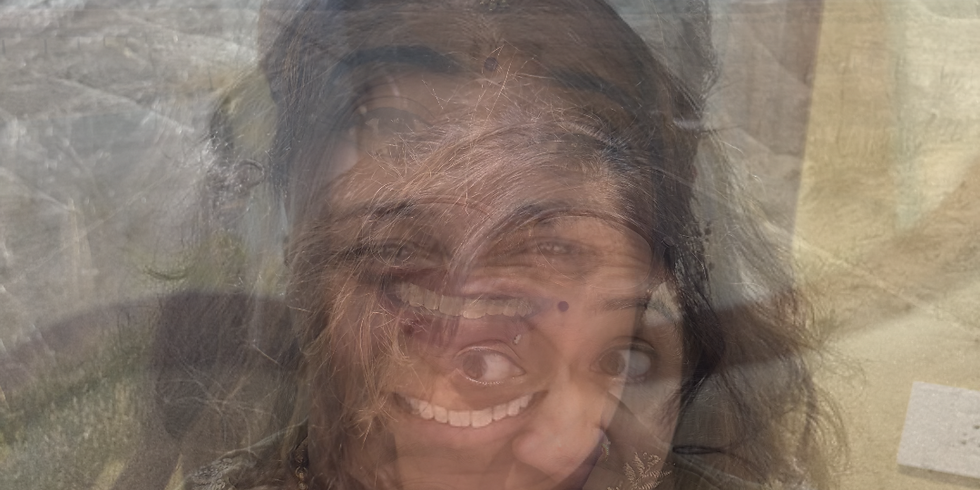
There are constants. My eyes still have that slightly wide, curious look. I still lean forward in pictures, like I’m about to say something or don’t want to miss anything (which apparently makes my chin look bigger). But my face now carries something else too—experience. Maybe wisdom. Maybe just time, showing up as wrinkles and softer edges.
I don’t look like I used to.
But I recognize myself more.
3) Marriage isn’t static—it evolves quietly
Marriage changes in ways you don’t notice when you’re in it—but the pictures don’t lie.
I can see the early days—there’s even a photo from the day we first said “love” (ugh… was I always this cheesy?). Then there are the harder moments—me at a party with puffy eyes after a fight, smiling just enough to pass as “fine.”
There are also the good parts: us laughing, dressed up for events, looking like a couple who had time to be a couple.
And then something shifts.
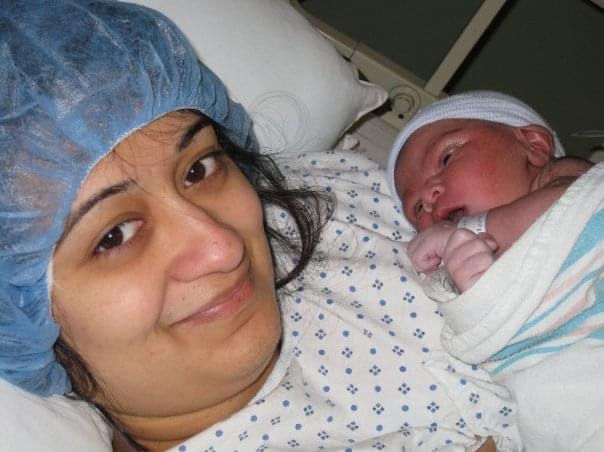
Suddenly, there are barely any pictures of the two of us. Instead, there are hundreds of one parent holding one child… or two… or three… while the other is behind the camera, probably making ridiculous faces to get a smile. There are family photos, of course—but the day-to-day documentation becomes about survival, logistics, and capturing the kids before they “change”. And then came the dogs who are in an inconceivable amount of the pictures.
We didn’t disappear—we just stepped out of the frame.
And then, slowly, almost without noticing, we come back.
In the more recent pictures, we’re standing next to each other again. Arms behind each other’s backs. My head bending towards his neck. It’s quieter now. Less performative. Less urgent.
There’s a kind of comfort in these photos that didn’t exist 25 years ago.Not because things are perfect—but because they’re understood.

4) What isn’t photographed matters too
What struck me most wasn’t just what was captured—but what wasn’t.
There are entire chapters of my life with very few photos. Busy years. Hard years. Transition years. COVID years. Times when we were too overwhelmed, too tired, or too in it to document anything.
And yet, those were some of the most defining periods.
No pictures of the late nights, the early mornings, the worries. No images of the internal shifts—the moments where perspective changed, where priorities realigned, where I grew in ways that don’t show up on a camera roll.
It’s a reminder that a life isn’t fully captured in images.The most meaningful parts are often the least visible.

Looking through these pictures, I realize this isn’t just a slideshow—it’s evidence.
Evidence of phases. Of people who shaped me. Of love that changed form but didn’t disappear. Of a life that became more real over time.
At 50, I don’t think the goal is to look back and see a perfectly documented life.
It’s to recognize the patterns, the growth, the continuity underneath all the change.
The pictures don’t tell the whole story.
But they remind me that I lived it.
And for that I’m grateful.



Comments