
Let's Talk About Sex, Baby: The Truth About Female Sexual Dysfunction
Let's talk about sex, baby.
Let's talk about you and me.
Let's talk about all the good things and the bad things that may be.
Thank you, Salt-N-Pepa.
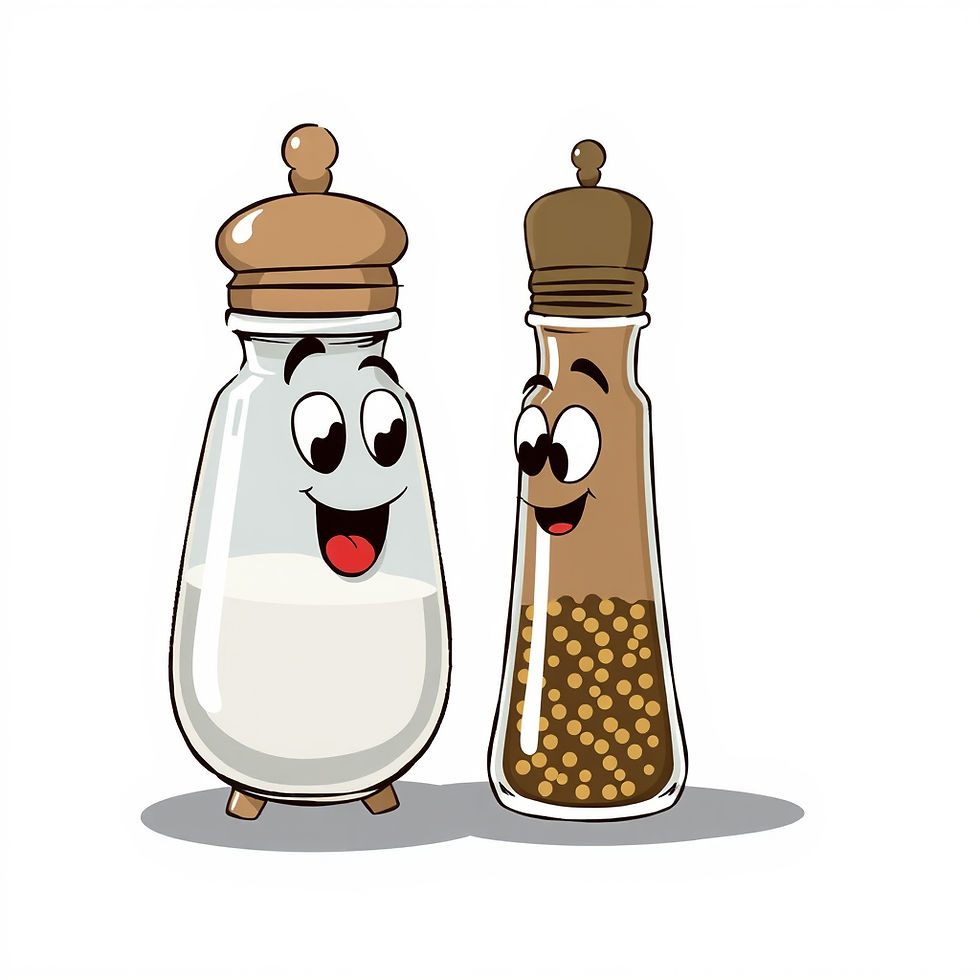
If you're a woman who grew up singing along to that song on a cassette player, there's a good chance you've experienced some form of sexual dysfunction. In fact, studies suggest that more than 40% of women will experience sexual dysfunction at some point in their lives.
Forty percent.
And the truth is, it's probably higher than that.
So why aren't we talking about it?
Women's health has spent decades being the black sheep of medicine. Conditions affecting millions of women have often been dismissed, minimized, or simply ignored. Sexual health may be one of the best examples.
Let's fix that.

Sexual health involves several components: sexual desire, arousal, orgasm, and the ability to engage in comfortable, pain-free sexual activity. When one or more of these areas is persistently affected—typically for six months or longer—it may be classified as sexual dysfunction.
And before anyone starts feeling embarrassed, ashamed, or broken, let's get one thing out of the way:
Sexual dysfunction is common.
It is medical.
And it is not a personal failure.
So, Let's break down some of the most common sexual dysfunctions affecting women:
Hypoactive Sexual Desire disorder
Definition
1) Lack of motivation for sexual activity as manifested by:
a. Decreased or absent spontaneous desire (sexual thoughts or fantasies)
b. Decreased or absent responsive desire to erotic cues
c. Inability to maintain desire or interest through sexual activity
2) Loss of desire to initiate or participate in sexual activity (that is not attributed to pain or personal distress)
Cause
Sexual desire is complex but basically there are different types of neurotransmitters: Ones that excite (norepinephrine, oxytocin, melanocortins and dopamine) and one that inhibits (5-hydroxytryptamine, serotonin,opioids, and endocannabinoids.
And you guessed it. The inhibitors take over and the feeling that electricity you felt in your nether regions during your 20s is gone.
Treatment
1) Psychotherapy (How many women feel bad about themselves for their lack of motivation in the bedroom?) Cognitive behavioral therapy can help alter behaviors, expectations and beliefs.
2) Fibanserin- FDA approved medication in perimenopausal women that works by reducing serotonin and increasing dopamine and norepinephrine.
a. Absolutely no alcohol while taking it because it causes low blood pressure and fainting (BLACK BOX warning)
b. Taken nightly and if it doesn’t work in 8 weeks, stop it
3) Testosterone- research is still pending but promising results from observation
4) Bremlanotide- FDA approved and increases melanocortin
a. Injection taken 45 minutes before sex
Female Genital Arousal Disorder
Definition
1) The inability to maintain adequate genital (vaginal lubrication, genital engorgement and sensitivity of genitalia) response for > 6 months
2) Disorders related to vascular or neurologic injury or dysfunction
Causes
1) Cultural guilt, conflicts with your partner, overthinking it, stress, etc.
Can anyone relate?
2) Medical disorders like diabetes and multiple sclerosis
3) Medication side effects (i.e antidepressants, some blood pressure meds, some allergy meds)
4) Hormonal changes (especially during perimenopause and postpartum periods)
Treatment
1) Mindfulness and cognitive behavioral therapy
2) Testosterone
a. Well done studies have shown that this works
b. Usually daily topical therapy
c. Can cause acne and excess hair growth on your face
3) The EROS device is a small, battery-powered appliance that creates a direct vacuum over the clitoris increasing the blood flow to the area
4) Systemic estrogen is not specifically approved this but there is some evidence that topical estrogen may help
Female Orgasmic Disorder
Definition
1) Characterized by a persistent or recurrent compromise of orgasm frequency, intensity, timing and/or pleasure for > 6 months
Causes
1) Cultural guilt, conflicts with your partner, overthinking it, stress, etc.
2) Medical disorders like diabetes and multiple sclerosis
3) Medication side effects (i.e antidepressants, some blood pressure meds, some allergy meds)
4) Hormonal changes (especially during perimenopause and postpartum periods)
Treatment
1) Education- sometimes information helps- knowing the anatomy and how it works may give women more power and agency
2) Directed masturbation- Becoming more comfortable with your changing body may help
3) Using vibrators, porn, etc.
Where do we go now?
There are two additional conditions that deserve their own discussion: pelvic floor dysfunction and dyspareunia (pain with intercourse). Both are common and both can have a significant impact on quality of life. I'll be covering those in future posts because they deserve more than a brief mention.
So, did you ever imagine that in your 40s or 50s you'd be revisiting Salt-N-Pepa—not for the music, but for a conversation about sexual health?
Just as perimenopause has spent years lurking in the shadows of medical research, female sexual dysfunction has often been overlooked, underdiagnosed, and undertreated.

But things are beginning to change.
Women are talking to one another. They're asking questions. They're advocating for themselves in doctor's offices. They're refusing to accept "that's just part of getting older" as the final answer.
And that's a good thing.
Because sexual health is health.
You deserve to understand what's happening in your body.
You deserve conversations free from shame.
You deserve healthcare providers who take your concerns seriously.
And you deserve to know that if you're struggling, you're far from alone.
It's not because you're doing something wrong.
It's not because you've failed.
And it's certainly not because you've somehow forgotten how to be attracted to your partner.
Sometimes hormones change.
Sometimes medications interfere.
Sometimes life gets stressful.
Sometimes our bodies simply need a little help.
The first step isn't finding the perfect treatment.
It's talking about it.

So, let's keep talking just like Cheryl "Salt" James and Sandra "Pepa" Denton told us to.
And yes, I had to look up those names. Perimenopause brain fog, of course.


Don’t forget sex therapy and pelvic floor therapy, both can work miracles (think uncomsummated marriage x 3 years sort of miracles)